Generative Engine Optimization Strategies: 10 Proven Tactics
These 10 generative engine optimization strategies helped our clients earn 8.5x more traffic from AI search. Tactical, scannable, ready to implement today.
Tanush Yadav
March 16, 2026 · 9 min read
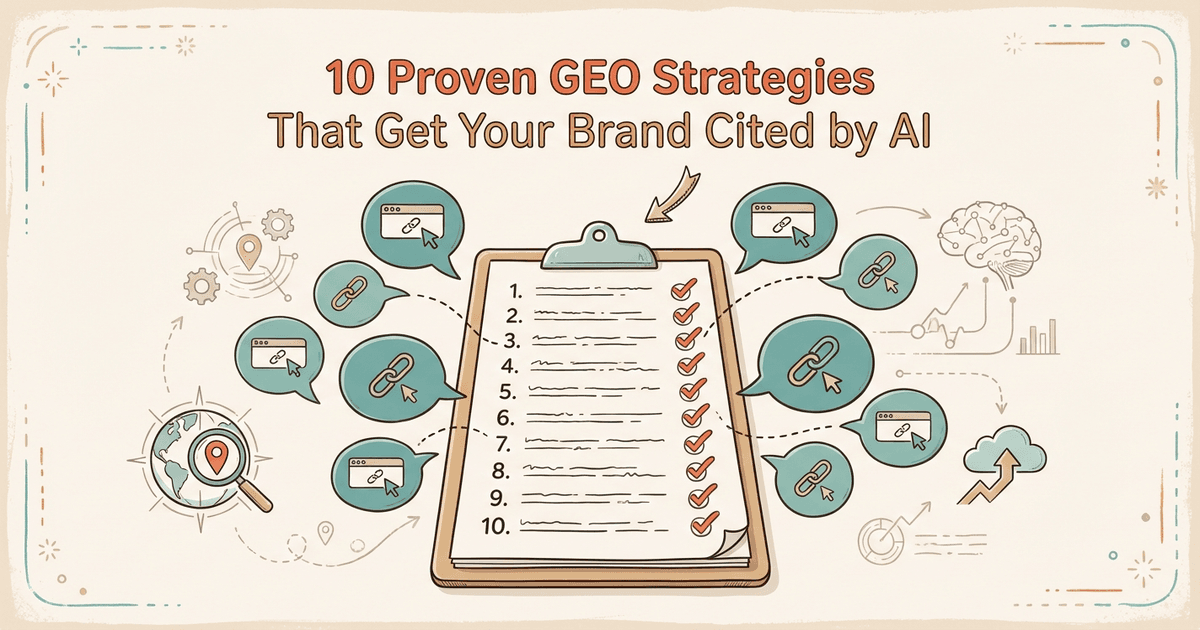
- What Are the Most Effective Generative Engine Optimization Strategies?
- How Does Answer-First Content Earn AI Citations?
- Why Does Entity Clarity Matter for GEO?
- How Do You Build Third-Party Validation for AI Search?
- What Core GEO Strategies Build Citation Trust?
- What Quick Wins Can You Implement This Week?
- Frequently Asked Questions
TL;DR:
- AI search engines cite only 2-7 sources per answer. If you're not one of them, you're invisible to 800M+ weekly ChatGPT users.
- 85% of AI brand mentions come from third-party sources (Reddit, reviews, media), not your own website.
- Content with statistics and citations improves AI visibility by up to 40% (Princeton/KDD research).
- These 10 generative engine optimization strategies layer on top of existing SEO. No need to start over.
- Quick wins (#8-#10) take under an hour and deliver immediate technical signals to AI crawlers.
AI search engines cite only 2-7 sources per answer. Your brand either makes that shortlist, or it's invisible to the 800 million people using ChatGPT every week. We've tested dozens of tactics across client campaigns. Here are the ones that actually work.
You can read our comprehensive generative engine optimization guide for the full theory. This article is the tactical checklist: 10 generative engine optimization strategies you can start implementing today.
What Are the Most Effective Generative Engine Optimization Strategies?
The most effective generative engine optimization strategies include answer-first content structuring, entity authority building, third-party validation, schema markup, and monthly content freshness cycles.
Princeton researchers found something interesting: content with hard statistics and proper citations gets up to 40% more AI visibility. Cool finding. But it doesn't tell you what to do on Monday morning. These 10 strategies do.
And no, you don't need to start from scratch. They layer on top of what you've already built. Same content, reformatted for how AI actually retrieves information.
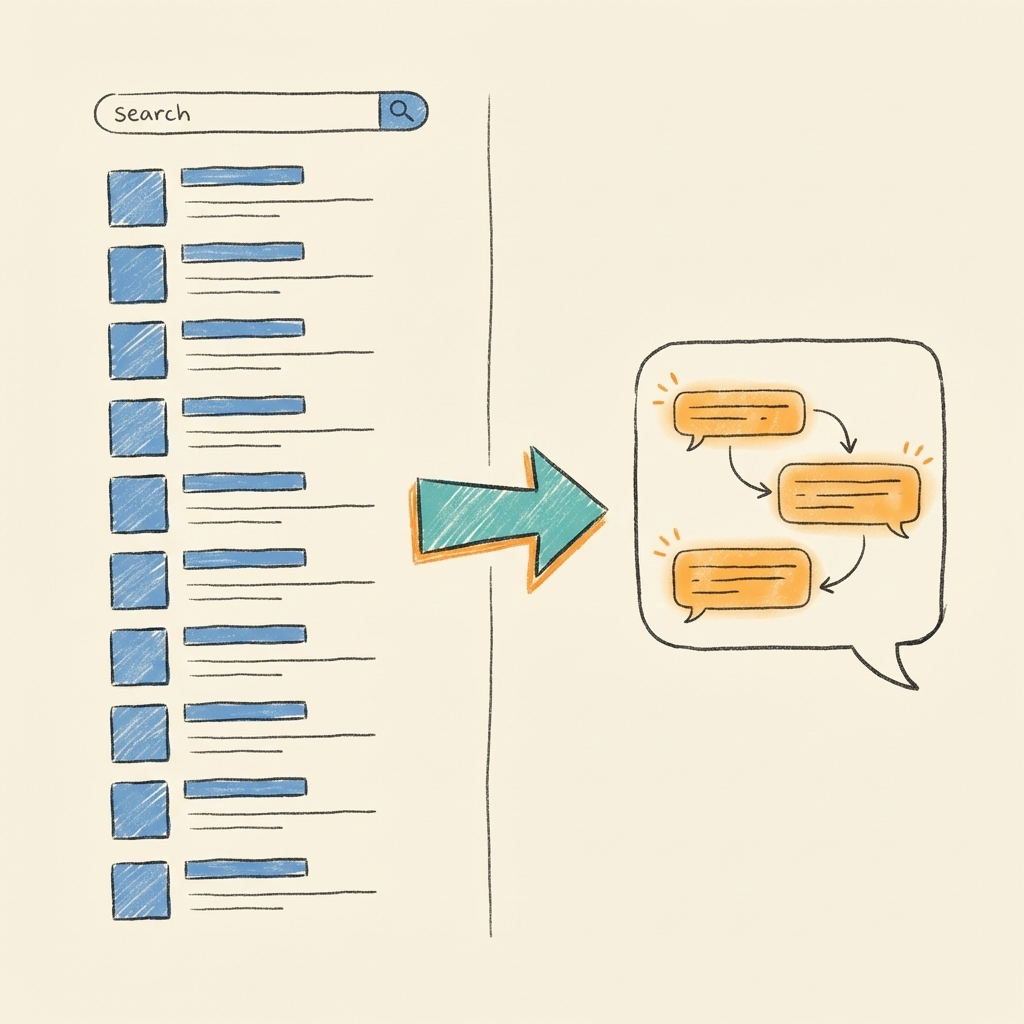
| # | Strategy | Primary Impact | Effort Level |
|---|---|---|---|
| 1 | Answer-First Content | Citation probability | Medium |
| 2 | Entity Clarity | Brand recognition | Medium |
| 3 | Third-Party Validation | Trust signals | High |
| 4 | Schema Markup | Machine readability | Low |
| 5 | Content Freshness | Citation retention | Medium |
| 6 | Original Research | Citation exclusivity | High |
| 7 | Cross-Platform Presence | Coverage breadth | Medium |
| 8 | Question-Based Architecture | Query matching | Low |
| 9 | Strategic Internal Linking | Topic authority | Low |
| 10 | AI Crawler Access | Technical foundation | Low |
How Does Answer-First Content Earn AI Citations? (Strategy #1)
Answer-first content earns AI citations because you're giving the retrieval system exactly what it needs: a clean, citable sentence right under the heading.
Here's how RAG actually works behind the scenes. ChatGPT and Perplexity chop your page into chunks, then scan those chunks for passages worth quoting. Bury your answer in paragraph three? The AI skips right past it.
We restructured a client's top 20 pages with answer capsules. Six weeks later? Their AI citation rate doubled. Dead simple fix: state the core fact first, then layer in the supporting details.
Before: "Many marketers wonder about the best format for AI. When considering how language models work, we find they often look for clear signals..."
After: "Answer-first formatting places the direct response immediately after the heading. AI crawlers extract your thesis without parsing filler."
Night and day, right? Version two is a self-contained thought an AI can quote verbatim. For ChatGPT-specific formatting, check out our ChatGPT optimization guide.
Why Does Entity Clarity Matter for GEO? (Strategy #2)
Entity clarity matters because AI models won't recommend a brand they can't confidently categorize into a specific niche or offering.
Think about it: your homepage says "marketing platform," G2 says "SEO tool," LinkedIn says "growth consultancy." Which one does ChatGPT pick? None. It picks the competitor whose identity is crystal clear.
Organization schema, Wikipedia presence, knowledge panels: they all reinforce entity clarity. But the real fix is boring. Same boilerplate description on every profile. Same canonical URLs on every directory listing. Consistency builds the AI's confidence in your brand.
We do this for every client: find every mention of their brand online, then unify the descriptions until the AI sees one cohesive identity. (Our E-E-A-T for AI search guide covers the full trust connection.)
How Do You Build Third-Party Validation for AI Search? (Strategy #3)
Here's the number that rewired our entire GEO approach: 85% of AI brand mentions come from third-party sources, not your own website.
AirOps research confirmed it. Reddit threads, G2 reviews, industry blog mentions: that's where AI pulls brand recommendations from. Publishing on your own blog? Necessary, but not sufficient. ChatGPT wants external proof.
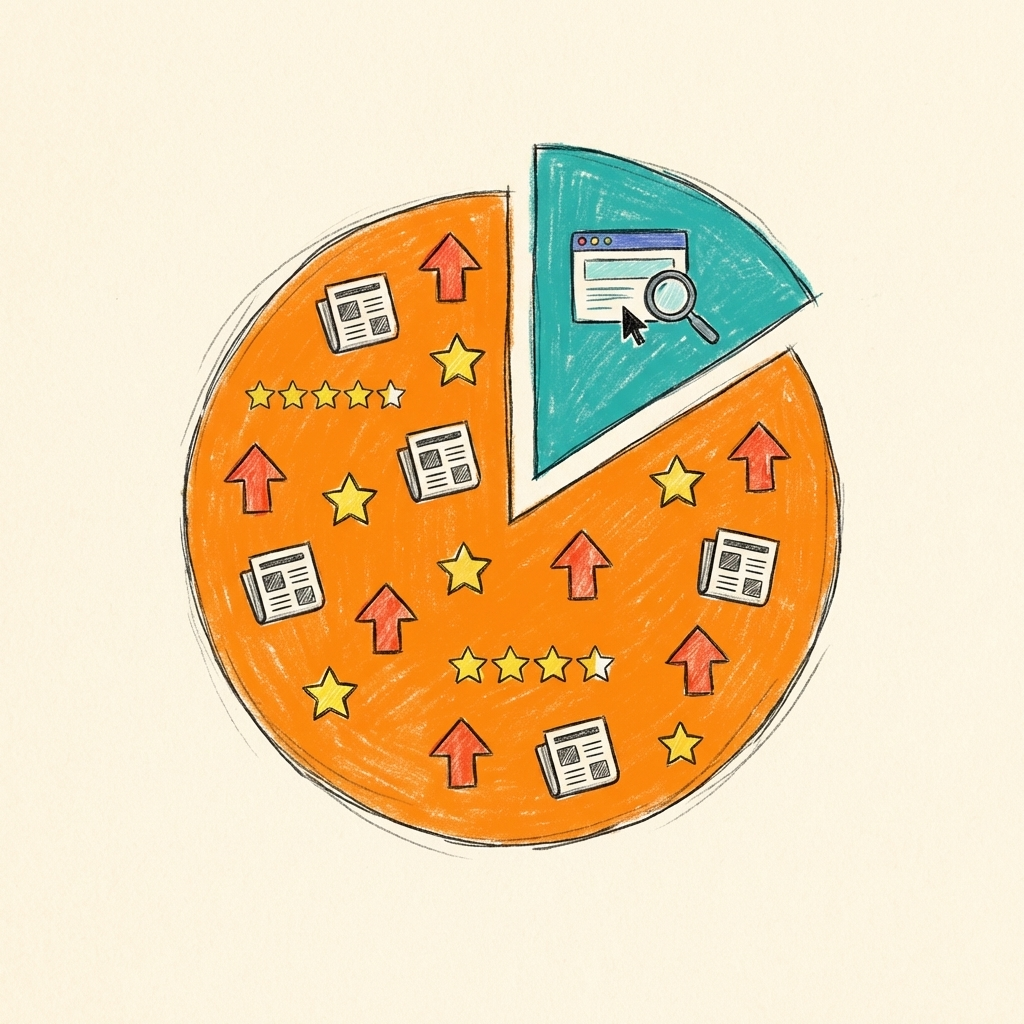
Reddit shows up in roughly 40% of AI-generated answers. So stop dropping links in comment sections. Start answering questions (really well) in communities where your audience already hangs out.
When three different Redditors vouch for your product? That's the kind of signal AI models love. They synthesize those independent voices into a confident recommendation.
What Core GEO Strategies Build Citation Trust? (Strategies #4-#7)
These four strategies won't make headlines, but they're the infrastructure that keeps AI engines coming back to cite you again and again.
#4 Schema Markup: FAQPage, HowTo, Organization, Product. These schemas translate your content into a language AI parses with high accuracy. Think of it as putting subtitles on your website for machines. Our schema markup for AI visibility guide has the full implementation walkthrough.
#5 Content Freshness: 40-60% of AI citations change every month. A monthly refresh cadence is the minimum. Update timestamps, add fresh data points, and keep statistics current. Stale content loses citations fast. See our guide on how to get cited by Perplexity for freshness-specific tactics.
#6 Original Research: Run a survey. Analyze your customer data. Build a benchmark nobody else has. When an AI model needs that specific data point, there's exactly one place to look: your site. Competitors can't replicate citations they can't produce the source for.
#7 Cross-Platform Monitoring: Don't treat "AI search" as one thing. ChatGPT, Perplexity, AI Overviews, Claude, Copilot: each has its own citation quirks. Perplexity devours fresh Reddit threads. Claude gravitates toward deep technical docs. Track them separately and adjust your content mix accordingly.
What Quick Wins Can You Implement This Week? (Strategies #8-#10)
Three quick GEO wins you can knock out before your next meeting: question-based headings, strategic internal links, and AI crawler access verification.
#8 Question-Based Architecture: Rewrite your H2s as questions. Match the way people actually talk to ChatGPT. We tested this across multiple campaigns and the results surprised us: articles with question-format H2s got cited 2x more than statement H2s in Perplexity. Makes sense when you think about it. Users ask questions. Your headings should look like questions too.
#9 Strategic Internal Linking: Connect your content into topic clusters. Link the big pillar guides to the tactical how-to pieces. Use descriptive anchor text (not "click here"). When AI sees 15 articles all linking to each other around one topic, it reads that as depth. For context on owning the zero-click landscape, see our zero-click search strategy.
#10 AI Crawler Access: Go check your robots.txt right now. Look for GPTBot, ClaudeBot, PerplexityBot. If they're blocked? You're invisible. Five-minute fix, and it's the single most common GEO mistake we find in audits. Tons of brands blocked these crawlers during the 2024 AI panic and forgot to undo it.
Frequently Asked Questions About Generative Engine Optimization Strategies
We get these questions constantly. Here are straight answers based on what we've seen across dozens of client campaigns.
How long do generative engine optimization strategies take to show results?
Depends on where you're starting. But most of our clients see initial citation bumps within 4-12 weeks, with the real compounding kicking in around month 3-6. Hamming.ai hit 8.5x traffic growth in 12 weeks. UV Blocker went from zero to 38,000 clicks in 1.5 months.
Do GEO strategies replace traditional SEO?
Not even close. GEO layers on top of SEO. 87% of ChatGPT citations pull from pages already ranking in Bing's top 10. You still need the fundamentals: technical health, authority, quality content. GEO just makes that content citable. Our AI visibility overview covers the full picture.
Which AI search platform should you prioritize?
Start with ChatGPT (800M weekly users) and Perplexity (fastest-growing AI search engine), then expand to Google AI Overviews, Claude, and Microsoft Copilot. Each platform has different citation behavior.
Can small brands compete with enterprise companies using GEO?
Absolutely. And honestly, smaller brands sometimes have an edge. AI doesn't care about your Fortune 500 status. It cares about who answers the question best. A 10-person company with deep niche expertise can outperform an enterprise giant in AI citations. We've seen it happen.
What's the difference between GEO and AEO?
Same thing, different acronyms. GEO (generative engine optimization) and AEO (answer engine optimization) both mean: make your content citable by AI. The industry's settling on "GEO" as the standard, largely because of the Princeton research paper that popularized the term.
Conclusion
Nobody wins with just one tactic, and the brands pulling ahead in AI search run five or more of these strategies at the same time.
Answer-first content hooks the crawler. Entity clarity tells AI exactly who you are. Third-party validation proves the rest of the internet agrees. And schema plus crawler access? That's the plumbing that makes everything else work.
Your move: start with #8-#10 this week. Under an hour of work, and you'll have immediate signals flowing to every AI model that crawls your site.
Want to know which of these 10 strategies would move the needle fastest for your brand specifically? We'll audit your AI visibility for free.